Annual Report – Safe Water Network India (2023-24)

The report demonstrates Safe Water Network India’s integrated approach to scaling solutions, ensuring sustainability, and fostering community resilience through access to safe water. It provides a comprehensive overview of the organization’s progress, impact, and plans for advancing access to safe and affordable water in underserved communities.
Community-led Restoration and Rejuvenation of Pond Teekli, Gurugram, Haryana
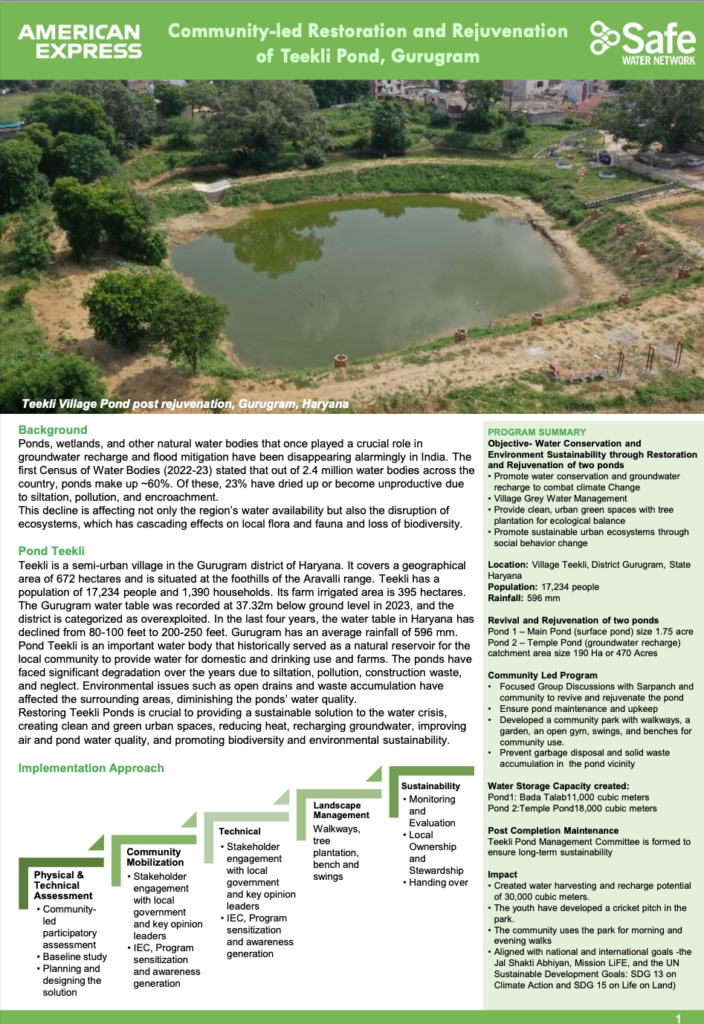
The Case Study describes the restoration of two degraded water bodies, increasing storage to 29,000 m3, and raising the water table by 3 meters. Ecological health improved through native tree planting and invasive species removal, while the site was transformed into a community park with recreational facilities. A local pond management committee ensures long-term sustainability.
Revival and Restoration of Pond Bajghera, Gurugram, Haryana

The Case Study describes the rejuvenation of Bajghera Pond in Gurugram, once polluted and neglected, through a community-led rejuvenation initiative. The project restored water storage (6000 m3), strengthened groundwater recharge (12,000 m3 potential) and created green public space. With strong community ownership and Panchayat support, the intervention enhances water security, biodiversity and climate resilience in line with national and global goals.
Case Study: Drinking Water and Hygiene in Schools

The Case Study highlights school interventions to improve access to safe drinking water, sanitation, and hygiene through infrastructure upgrades and student engagement. The program emphasizes health benefits, behaviour change and improved school environments. Key outcomes include better hygiene awareness, cleaner facilities, and strengthened community participation. Overall, the initiative supports safer, healthier learning conditions for the students.
Revitalization of Local Health Traditions

After an ethnobotanical survey of North Bengaluru district,
Yalahanka and Doddabalapur taluka, we selected native 18 herbs
and 5 types of trees for plantation to develop a Herbal garden at
the Primary Health Center Sonnenahalli under the guidance of
PHC doctors, AYUSH, and ASHA. The objective of the herbal
garden is to revive and revitalize the traditional medicine for the
benefit of local community
Bengaluru Biodiversity Enhancement

This report includes details about the biodiversity and enhancement in rural community of Bengaluru, Karnataka
Aravalli Forest Restoration

This report includes details about the restoration of Aravalli Forest Area , Gurugram, Haryana
Restoration of Aivarkhandapura Lake

This report includes details about the restoration of Aivarkhandapura Lake, Bengaluru, Karnataka
Knowledge Compendium
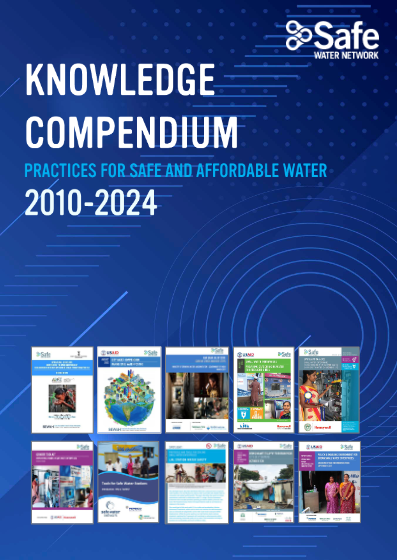
Knowledge Compendium is a repository of the reports, insights and toolkits created by Safe Water Network from 2010 to 2024. This compendium comprises of a suite of sector reviews, spotlights, field insights, and digital toolkits among other best practices for sector dissemination.
Quality Module
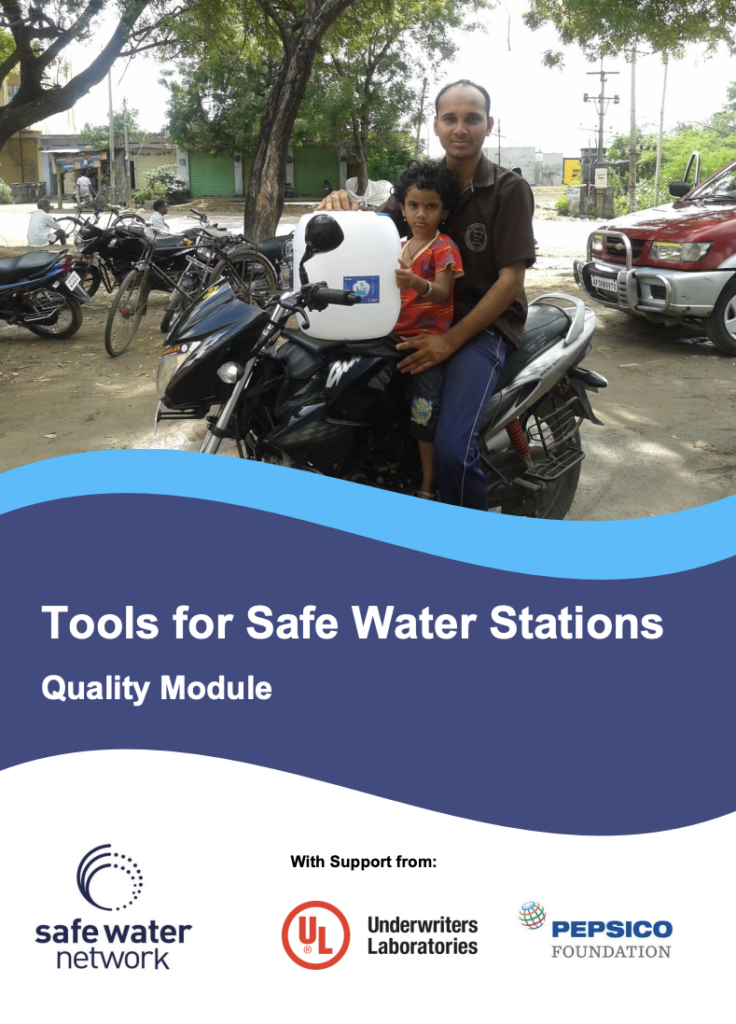
Quality Module defines the steps and standards of quality assurance due diligence to ensure the continual performance of high-quality Safe Water Stations